Granny Flat vs Tiny Modular Home – Legal & Planning Differences in Western Australia
What Is a Granny Flat Under WA Law?

When building a secondary structure in Perth, many homeowners use terms like granny flat, tiny home, and modular unit interchangeably.

From a marketing perspective, that may seem harmless.

From a legal and planning perspective in Western Australia, those terms are not the same.

Understanding the difference determines:

  • Whether your structure is legally classified as a dwelling

  • Whether it can be rented out

  • Whether it qualifies under the 70m² exemption

  • Whether it requires Planning Approval

  • How it is assessed under WA Residential Design Codes (R-Codes)

Let’s clarify this properly.

Under WA planning terminology, what most people call a granny flat is legally known as an:

Ancillary Dwelling

An ancillary dwelling is:

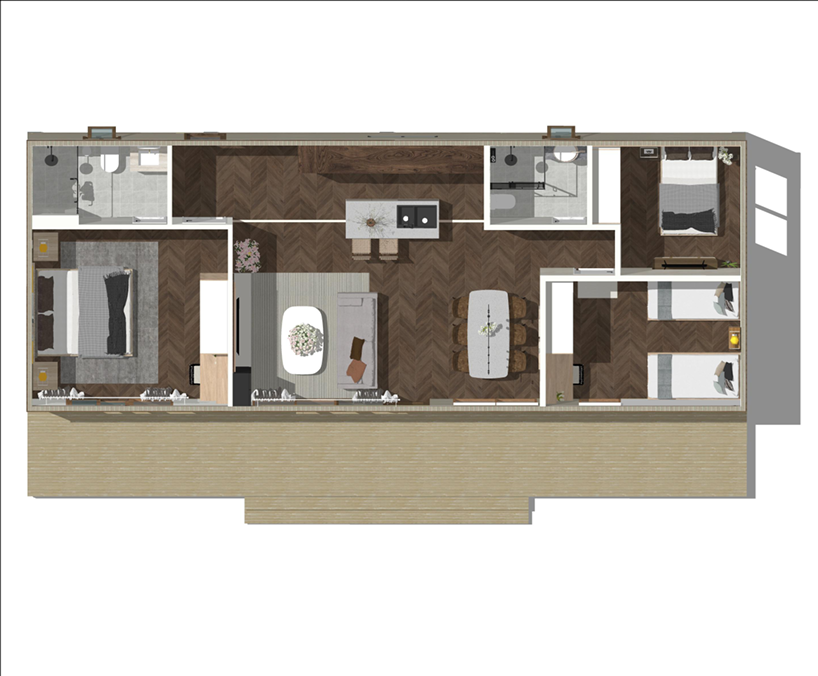
  • A self-contained residential dwelling

  • Located on the same lot as a primary house

  • Designed for permanent residential occupation

  • Often limited to 70m² in floor area

It must include:

  • Kitchen facilities

  • Bathroom

  • Living space

  • Sleeping area

Most importantly:

👉 It is classified as habitable residential accommodation (Class 1A building) under NCC 2022.

This means:

  • A Building Permit is mandatory

  • It must comply with NCC 2022

  • It must comply with WA R-Codes

  • It counts toward site cover

  • It must meet setback requirements

In many WA councils, an ancillary dwelling may be rented (subject to local policies).

This makes it suitable for:

  • Long-term rental income

  • Multi-generational living

  • Permanent accommodation.


What Is a “Tiny Modular Home”?

Here is where confusion happens.

A Tiny Modular Home is not a legal classification.

It describes:

  • The size (small footprint, often under 70m²)

  • The construction method (prefabricated modular system)

It does NOT automatically define:

  • Its planning category

  • Its legal use

  • Whether it is a dwelling

  • Whether it is temporary or permanent

A tiny modular home can legally become:

  • An Ancillary Dwelling (Granny Flat)

  • A Studio

  • A Home Office

  • An Outbuilding

The legal status depends on:


  • Intended use

  • Internal layout

  • Presence of a kitchen

  • Permit documentation

⚖ The Core Legal Distinction

Factor Granny Flat (Ancillary Dwelling) Tiny Modular Home

Legal classification

Defined under WA R-Codes

Not a legal category

Recognised as dwelling

Yes

Only if approved as ancillary dwelling

Kitchen required

Yes

Depends on intended use

Rental permitted

Often yes

Only if approved as ancillary dwelling

Building Permit

Required

Required

Planning Approval

Often exempt under 70m² (if compliant)

Depends on classification

Site cover counted

Yes

Yes

Treated as permanent structure

Yes

Yes (if fixed to footings)

Lifespan

Under 15 years

20 years ++

The key takeaway:

👉 A Tiny Modular Home becomes a Granny Flat only when it is approved and registered as an Ancillary Dwelling.

Without that approval, it may legally be treated as an outbuilding or studio.
🏗 Where Modular Construction Fits In

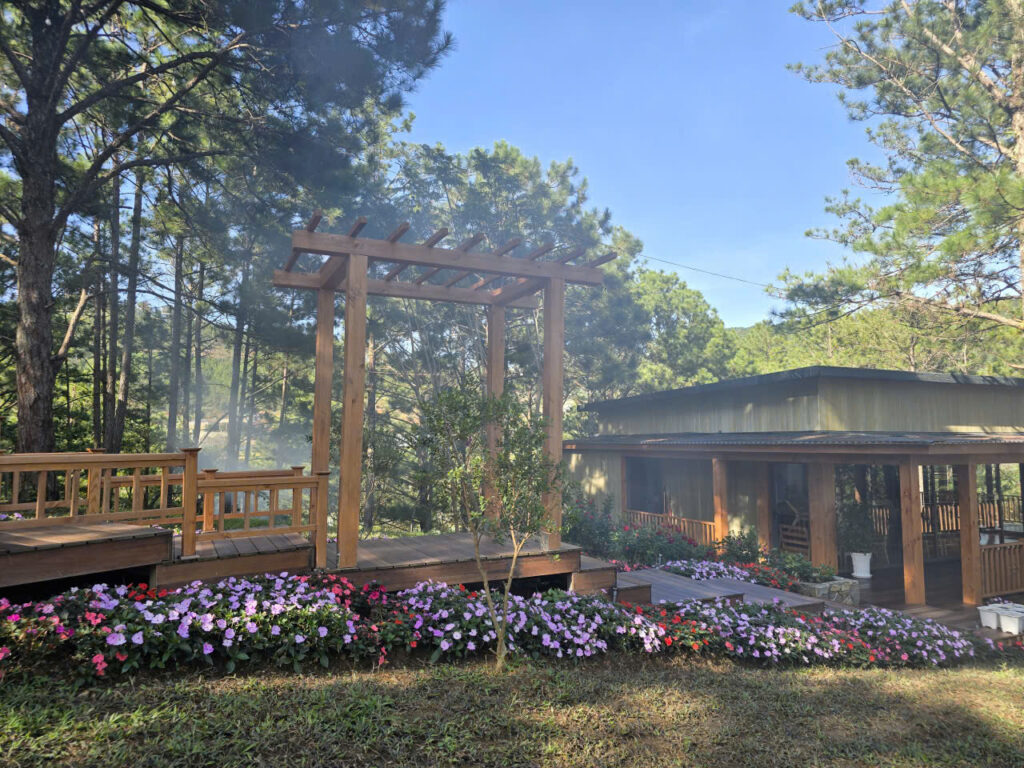
“Modular” refers only to how the structure is built.

It does not determine:

  • Whether it is temporary

  • Whether it can be rented

  • Whether it is Class 1A or Class 10a

QT Modular Homes are:

  • Compliant with NCC 2022

  • Classified as Class 1A residential buildings

  • Built using materials certified to Australian Standards

When installed on proper footings with approved documentation, they are treated as permanent residential structures.

They are not caravans.
They are not temporary sheds.

They are permanent buildings under Australian law.

🏛 Temporary vs Permanent – A Common Misunderstanding

In Western Australia, the term “temporary structure” is often misunderstood.

Even small modular homes:

  • Require footings

  • Require Building Permit

  • Must comply with NCC

  • Connect to services

Once fixed to foundations, they are considered permanent.

Calling something “temporary” does not exempt it from planning or building law.

The deciding factor is not marketing language — it is legal classification in permit documentation.

Why a Proper Site Plan Determines Approval Speed

Regardless of whether you are applying for:

  • An Ancillary Dwelling

  • A Tiny Modular Home

  • A Studio

Council will assess one critical document first:

The Site Plan

A compliant site plan must clearly show:

  • Full lot dimensions

  • Location of existing house

  • Proposed building footprint

  • Boundary setbacks

  • Site cover calculation

  • Driveway and access

  • Open space compliance

Council planners do not guess.

If compliance is not clearly demonstrated, they issue a:

“Request for Further Information.”

That alone can delay approval by weeks.


Why Site Cover Calculation Is Critical

Example:

Block size: 420m²
Maximum site cover: 50%
Maximum allowable building footprint: 210m²

Existing dwelling footprint: 180m²
Remaining site cover available: 30m²

If your proposed tiny modular home is 60m², it exceeds permitted coverage.

This is one of the most common rejection triggers in WA.

Without a precise site plan showing calculations, approval is unlikely.


Practical Comparison Checklist

Below is a clearer decision guide for Perth homeowners.


CriteriaGranny Flat (Ancillary Dwelling)Tiny Modular Home
Legal recognitionDefined in WA R-CodesNot defined in R-Codes
Self-containedYesOptional
KitchenMandatoryOptional
Rental useOften permittedOnly if approved as ancillary dwelling
Planning pathway70m² exemption possibleDepends on classification
Building PermitRequiredRequired
Counts toward densityYesYes
Suitable for long-term livingYesOnly if approved as dwelling
Property value impactSignificantDepends on approval type
Construction methodAnyModular prefabricated

Final Clarification for Perth Homeowners

If your goal is:

✔ Rental income
✔ Permanent residential use
✔ Legal long-term occupancy

You must apply as an Ancillary Dwelling (Granny Flat).

If your goal is:

✔ Home office
✔ Art studio
✔ Flexible workspace

It may be classified differently — but that comes with restrictions.

A Tiny Modular Home is simply the delivery method.

The legal category determines everything else.

In Western Australia:

  • Granny Flat = Legal planning category

  • Tiny Modular Home = Construction method + size

  • Modular ≠ Temporary

  • Under 70m² ≠ No permit required

Approval success depends on:

  • Correct legal classification

  • NCC compliance

  • Accurate site cover calculation

  • Professional site plan preparation

When those align, council approval becomes predictable.

And your investment becomes compliant, permanent, and value-enhancing.

admin

Leave a Comment